
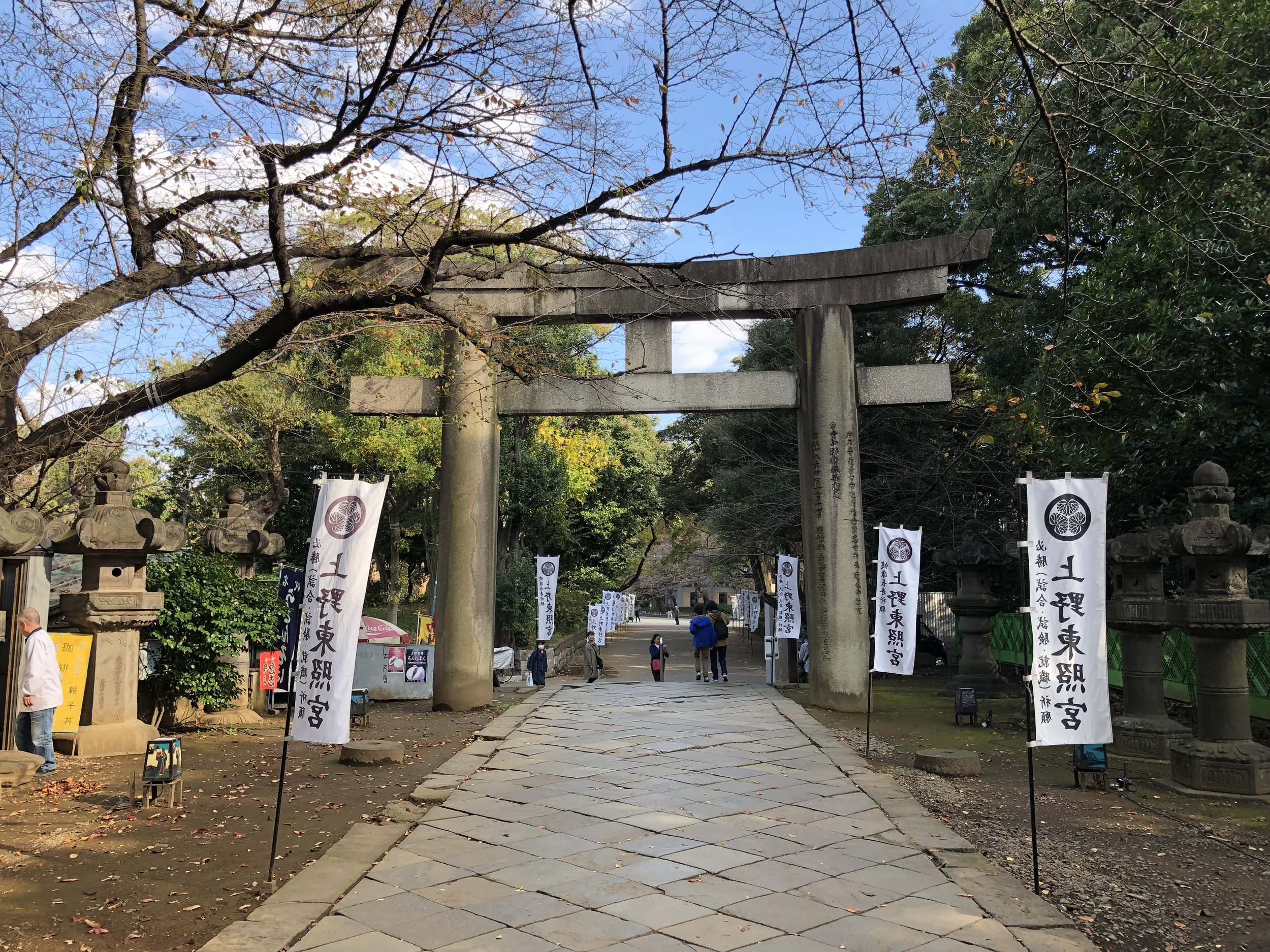
Entrance to Ueno Toshogu Shrine, dedicated to the spirit of Tokugawa Ieyasu. The large torii gates always found at the entrance to a shrine symbolize that one is passing from the realm of people into the realm of the spirits, or kami.
Population: 123 million
Main religions: Shintoism, Buddhism, Atheism
100,000 Shinto Shrines / 80,000 Buddhist temples
1 missionary for every 64,244 people
1 church for every 16,700 people
(compare: 1 church for every 800 people in the U.S.)
70 % of Japanese pastors are over the age of 60
Average church size: 35 people
19 cities and 500 towns are still without a church
By 2030, it is estimated that half of all churches in Japan will be forced to close
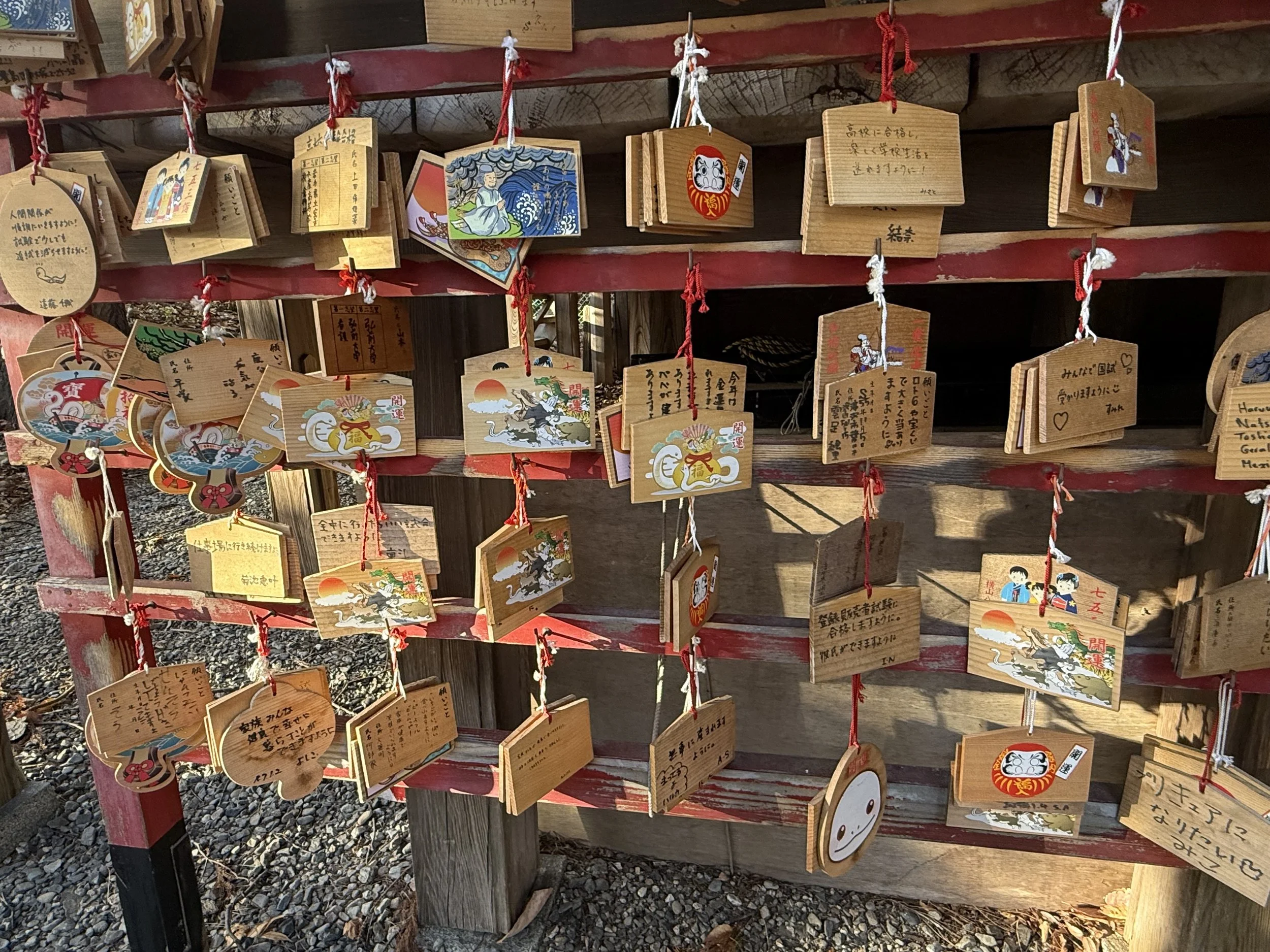
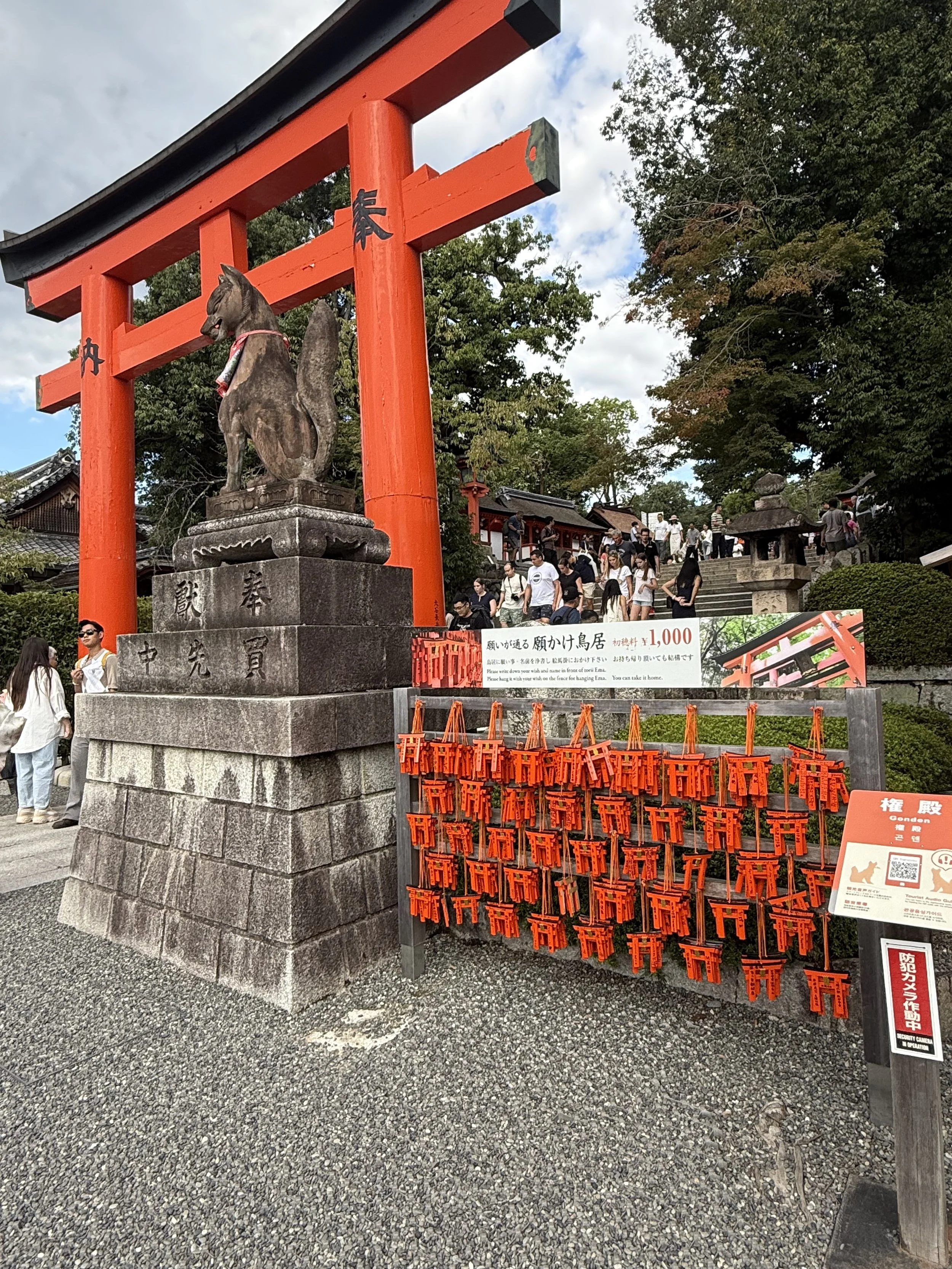
Wooden tablets, called ema, 絵馬, can be purchased and hung up at shrines. Wishes for things such as good health, safe births, or successful school exams are written down along with the signature of the person.
Land of the Rising Sun
Japan is a civilization over 2,000 years old, with the longest hereditary monarchy in the world of 126 emperors. Its territory includes up to 14,000 islands, but the four main inhabitable ones are Hokkaido, Honshu, Kyuushu, and Shikoku, which are divided into 47 prefectures.
According to Shinto legend, the sun goddess Amaterasu was the ancestor of the imperial line. Shintoism, “the way of the gods,” is Japan’s indigenous, polytheistic religion based on the worship of the 8 million or more kami (“gods” or “spirits”) which are believed to exist throughout nature. Buddhism entered Japan via Korea in the 6th century AD, influencing Japanese spiritual thought, art, and culture. Japan’s writing system was also developed by Buddhist monks and borrows from Chinese characters.
Christianity was first brought to Japan in 1549 by Jesuit priest Francis Xavier. However, Christians were soon attacked by fierce persecution, and Christianity was made illegal under the Tokugawa shogunate in 1603. For the next 250 years, Christians practiced their faith in hiding, and were not re-discovered until after Japan’s opening to the West in 1853. Catholic and Protestant missionaries entered Japan once the ban on Christianity was lifted in 1873 during the Meiji period, and church planting slowly began in every prefecture. After the devastation of World War II, freedom of religion was guaranteed by the constitution in 1947. Many Japanese had lost faith in their imperial leaders, and a door was opened for further evangelism. Yet, with less than 0.5% Evangelical Christian, Japan is still considered the second largest unreached people group. There are approximately 1,000 missionaries serving in Japan today. Most missionaries are working in one of the 12 mega cities or urban areas. Japan’s rural areas comprised of small towns and villages, which make up a population of 34 million, are largely unreached. These are the places that desperately need committed long-term missionaries and church planters.
Traditions & Innovation
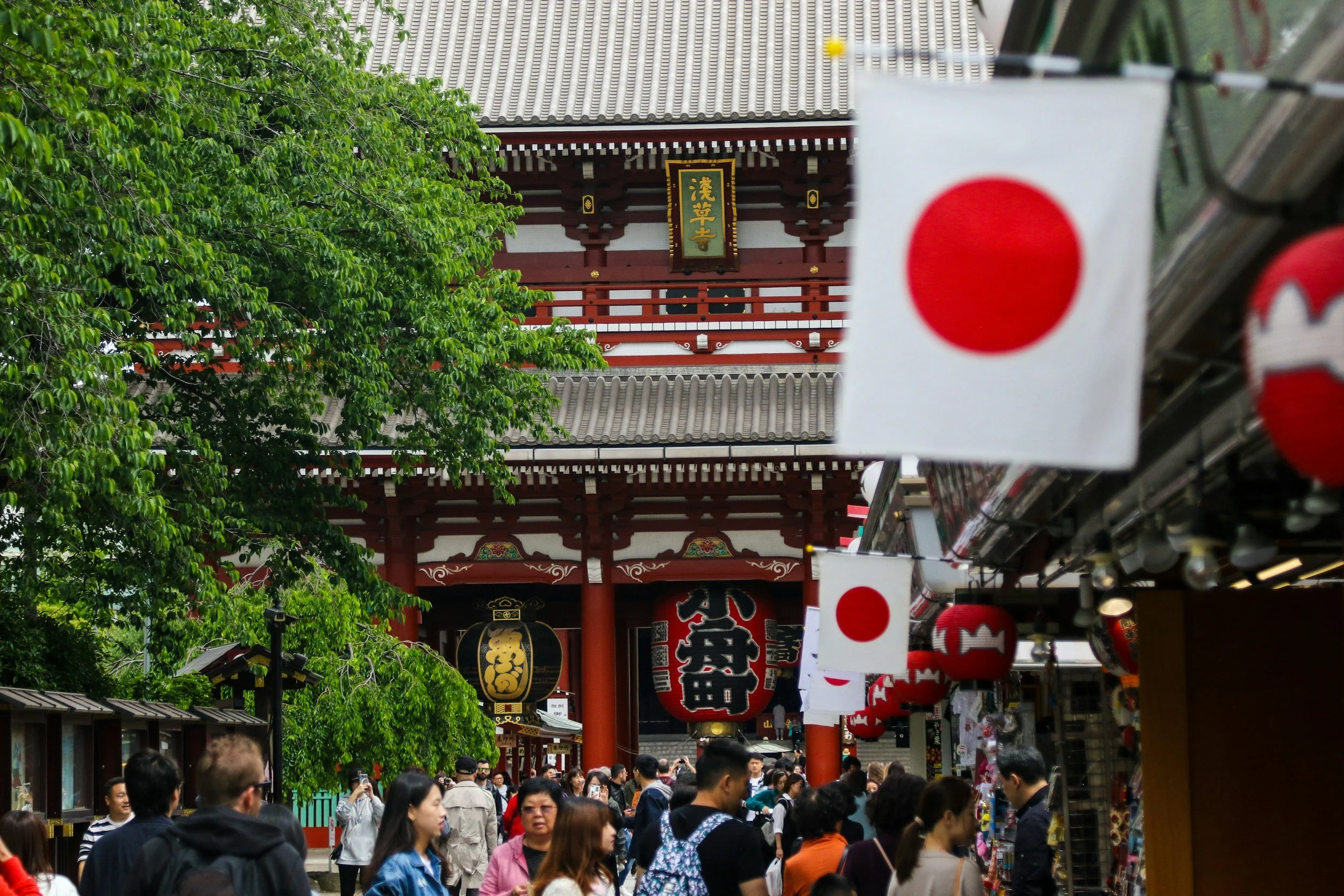
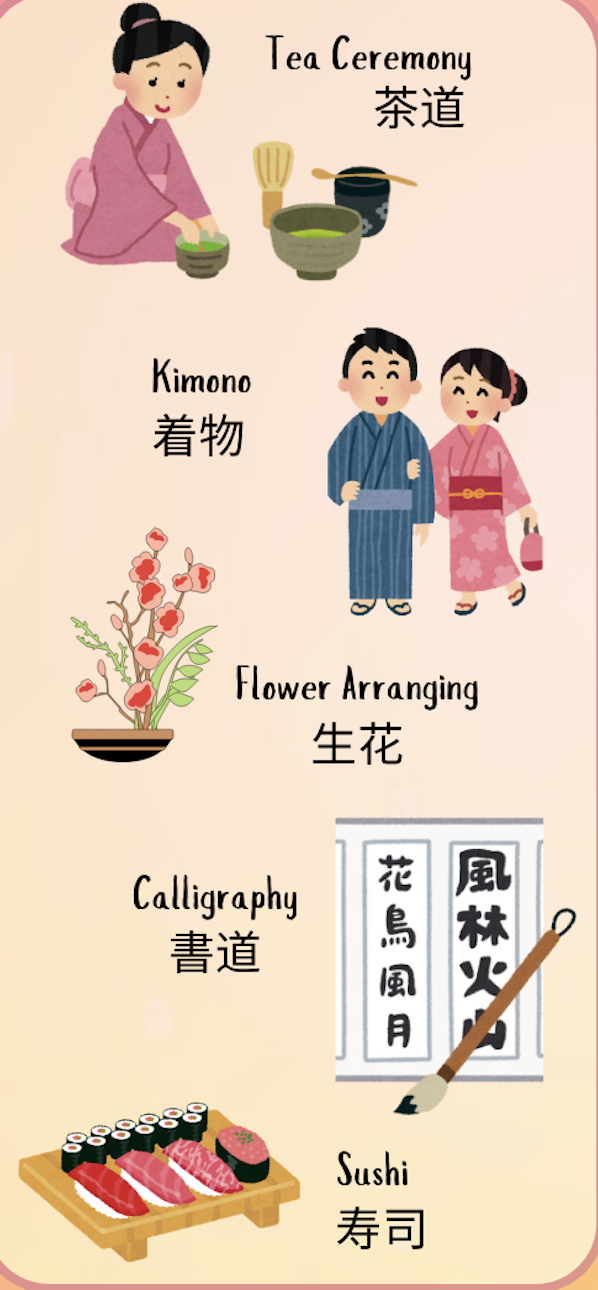
When most people hear the word “Japan,” they may immediately think of anime, sushi, cosplay, or advanced technology - the most famous things that have been imported to the West. Japan also has a long and rich culture of craftsmanship, artwork, literature, architecture, martial arts, and textiles. Traditional values of honor, social hierarchy, and harmony permeate every sphere of society, and the complex language system continues to both impress and mystify the outsider. Everything from the tea ceremony to Noh theater to the Samurai Code has layers and layers of hidden meaning which continue to impact society today. Japanese culture is paradox of modern innovation blended with traditions preserved from over hundreds of years.
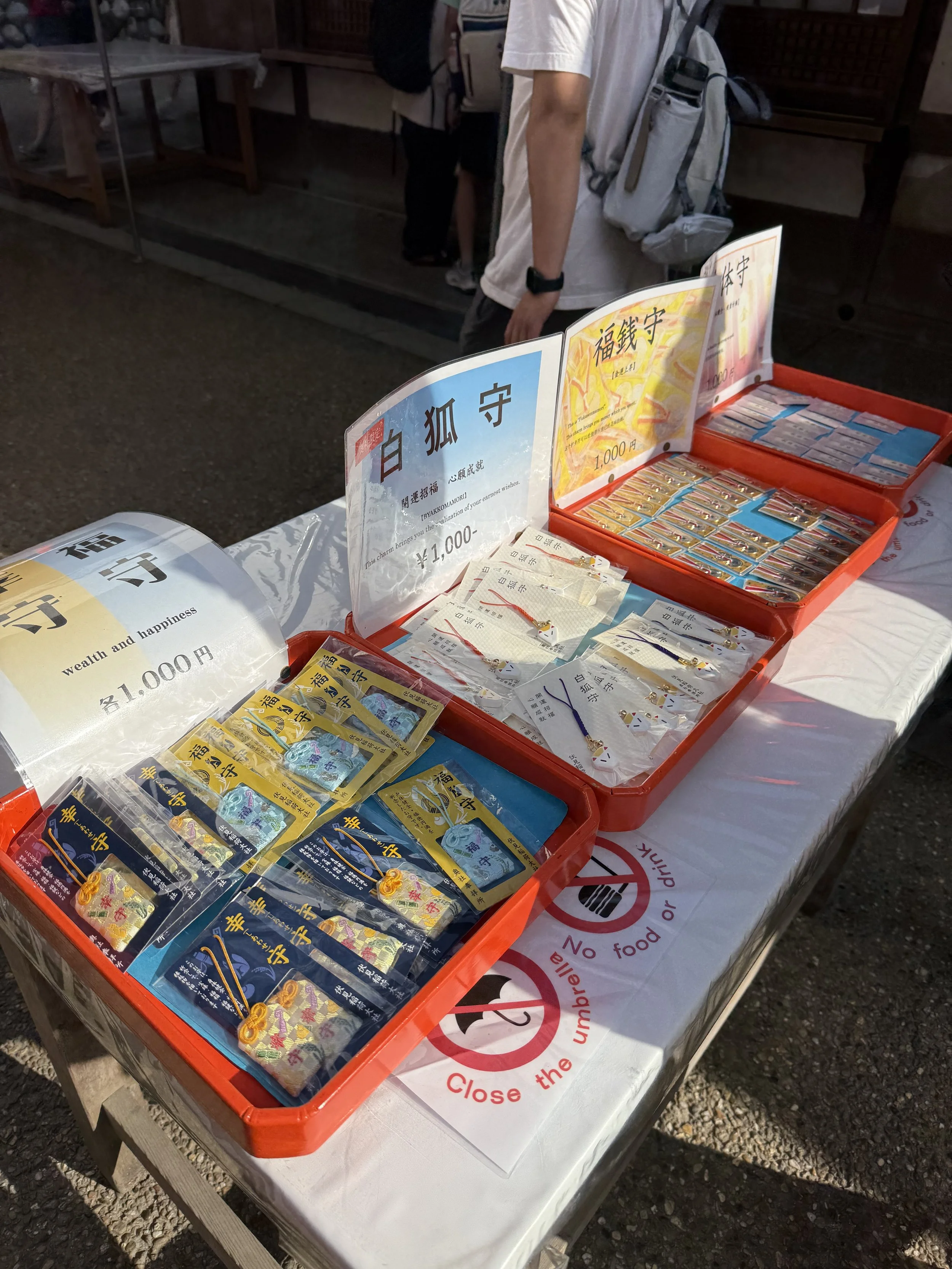
Special amulets, or omamori お守り are charms that can be purchased at shrines to protect the wearer. People will often give these to their friends for good luck.
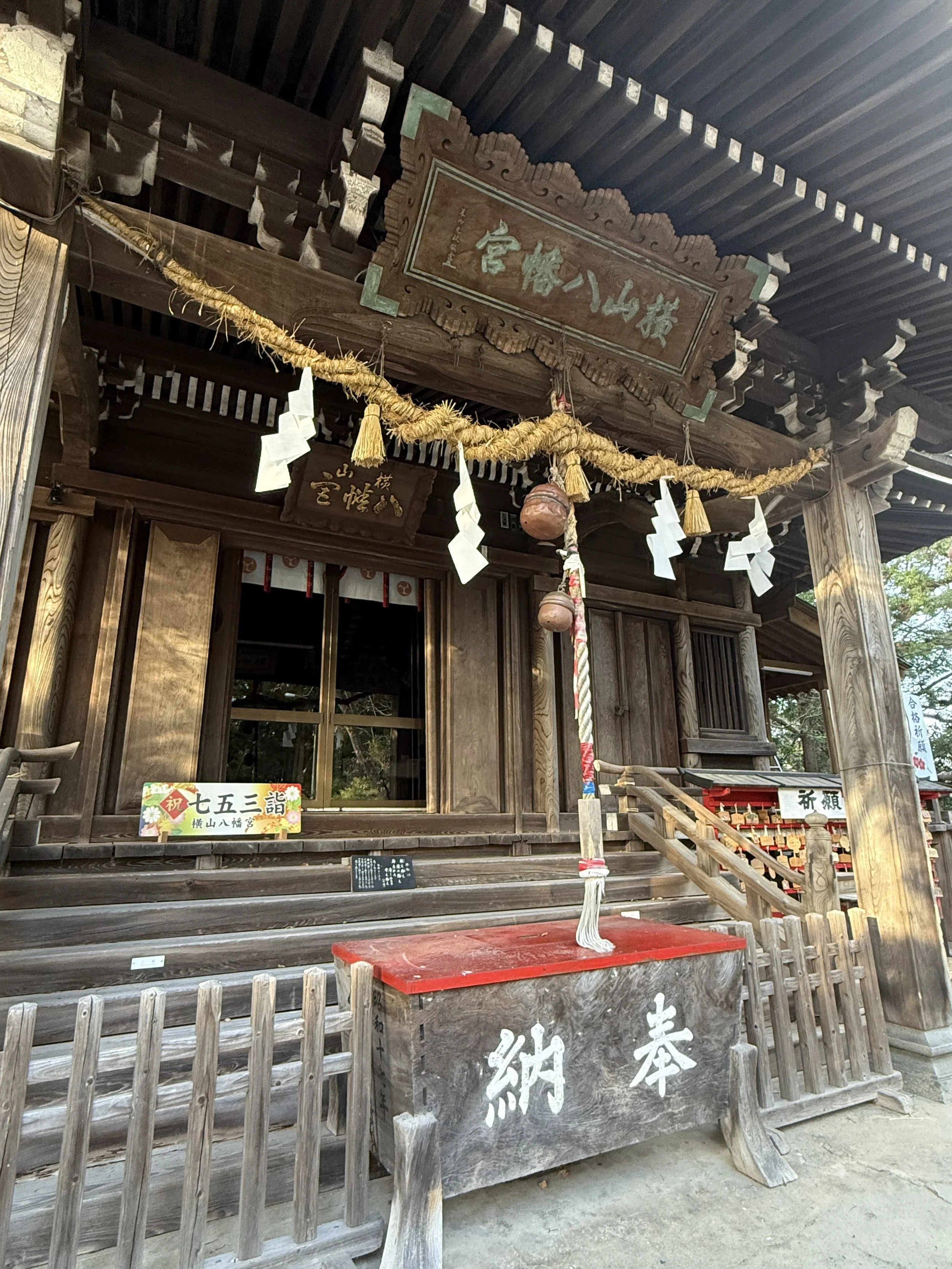
Top: Yokoyamahachimangu shrine in Miyako, Iwate prefecture
Left: entrance to Fushimi Inari shrine in Kyoto, dedicated to the fox god (“god of rice”) associated for hundreds of years with blessing agriculture and business
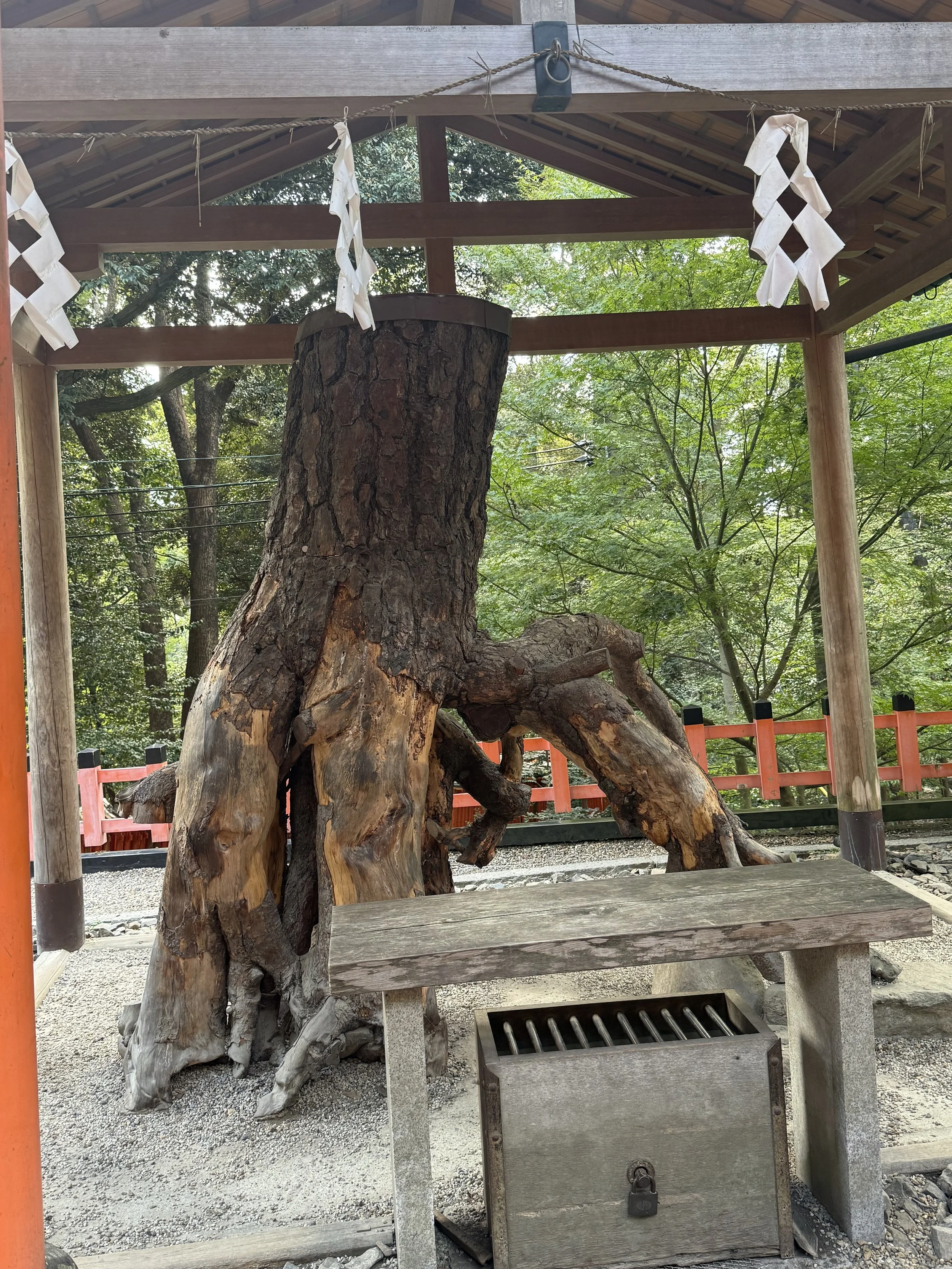
In Japan, altars can be found for not just particular kami or the spirts of past national leaders, but also natural phenomenon like large stones or trees. This particular altar (right) is to the spirit of this unusually formed tree, located on the same mountain as Fushimi Inari shrine.
Why is it so hard for Christianity to grow in Japan?
National Identity and Group Conformity
One reason is that it can be difficult to become a Christian and still remain “Japanese” is due to many cultural expectations in connection to Buddhist and Shinto rituals, which appear in every day life (e.g. visiting shrines at New Year’s and during other annual festivals, praying to ancestors to honor one’s family, or giving one’s relatives a proper Buddhist funeral.) Christianity is viewed as a “Western” religion that threatens Japanese identity. Many Japanese are shunned by their friends and family if they convert to Christianity. There is also the issue of cults which have infiltrated Japan and given Christianity a bad name.
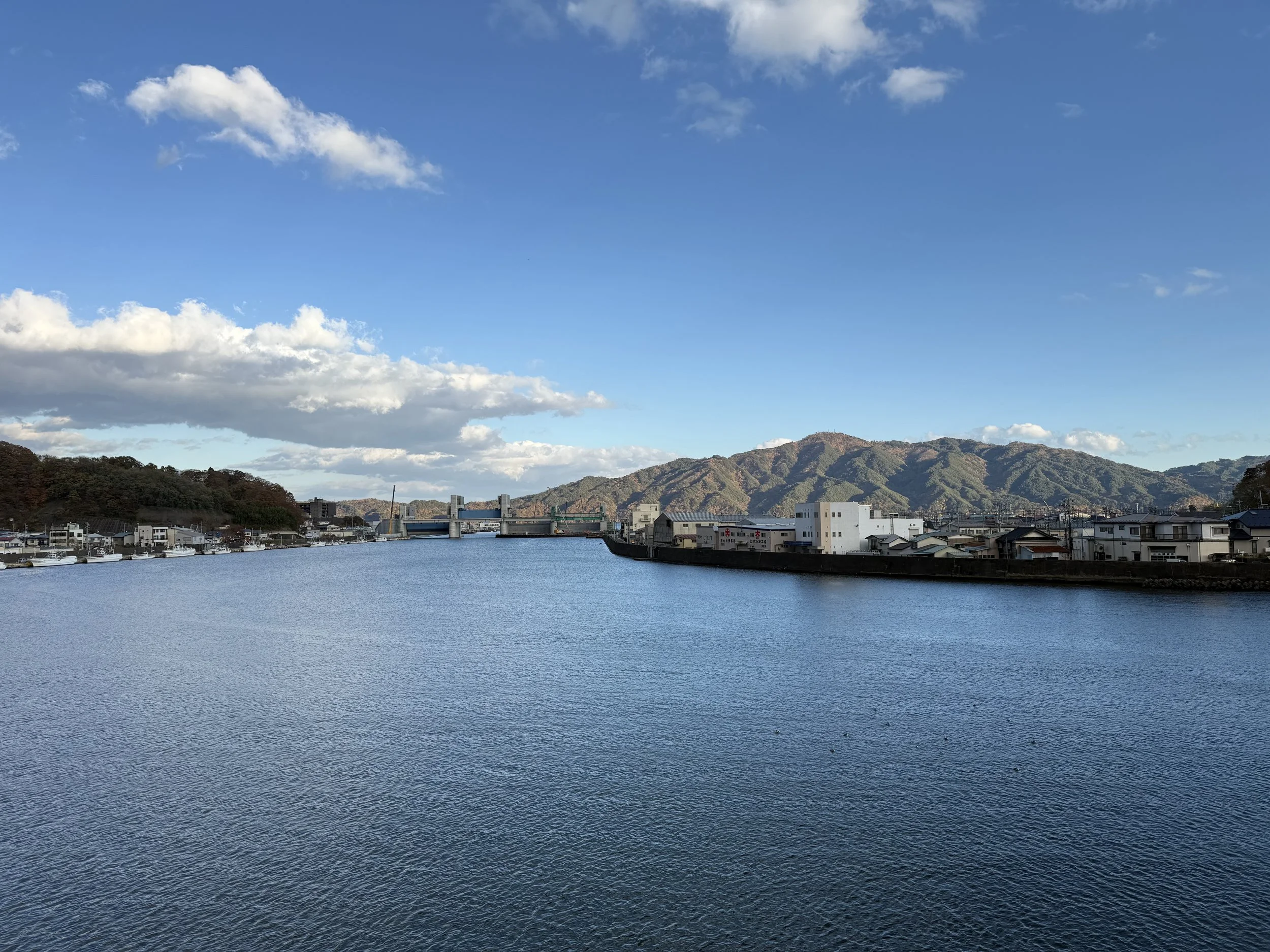
Near Miyako Port, rural town in Iwate prefecture. When the 2011 tsunami hit Japan’s northeast coast, much of this area was wiped out, and thousands of lives were lost. Large sea walls have now been built.
Difference in Worldview
Japanese religious culture is based on the polytheistic worldview in which there are many gods or spirits, some good and some evil. Shintoism often blends with Buddhism, so that both the 8 million kami and the Buddha and various bodhisattvas are worshipped. Shinto and Buddhist priests may be consulted for life-changing decisions, or to provide rituals that can cure illnesses or chase out evil spirits. Many people may just visit the shrine occasionally to pray for good luck on school exams or to buy protective good-luck charms for friends. The concept of a one, powerful and loving Creator God who desires a relationship with His image-bearers is hard to explain in the Japanese culture.
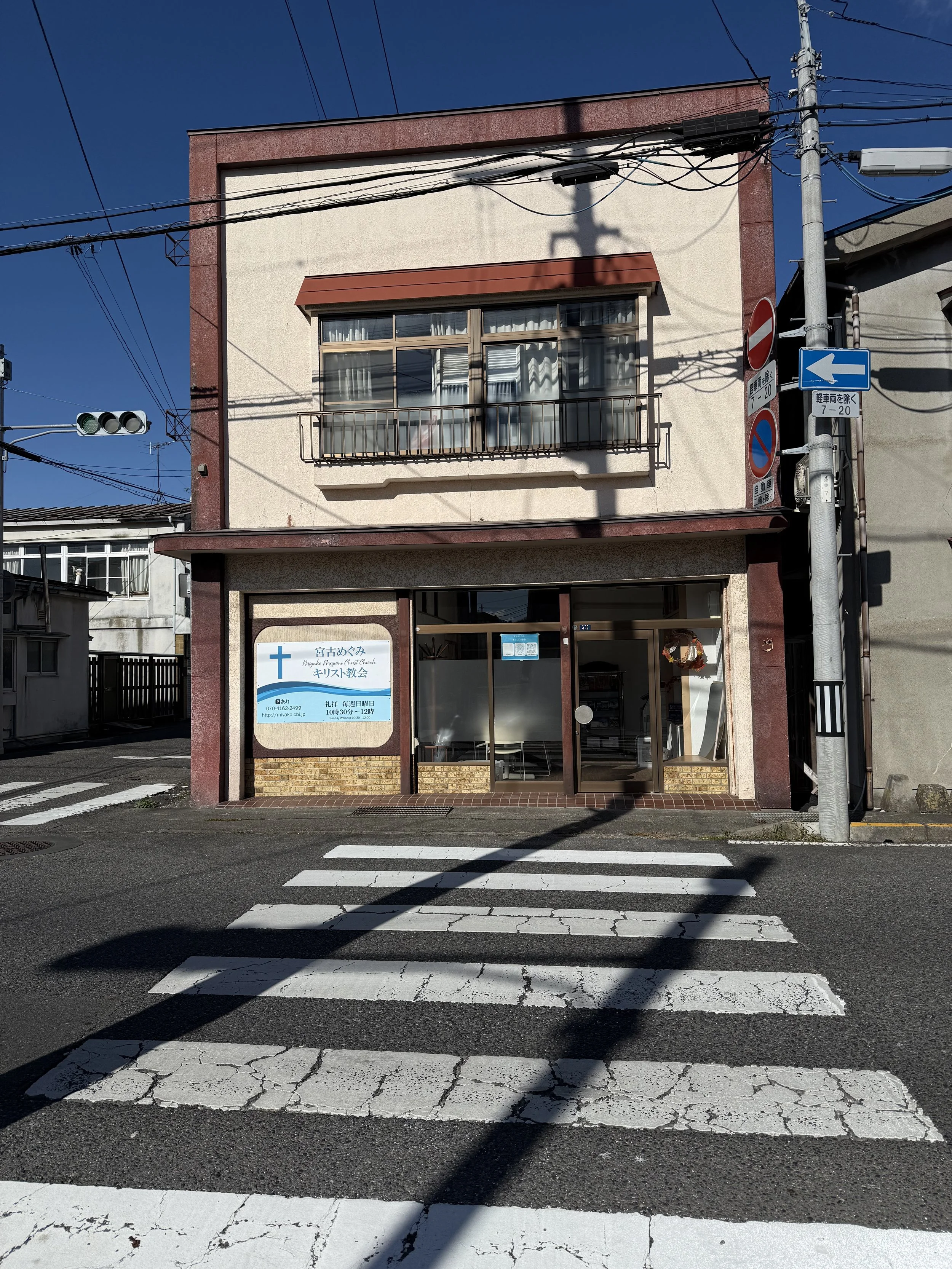
Rural areas continue to be the most unreached places in Japan. Churches like this one in a town of around 50,000 could average around 10-15 people on a given Sunday. They may also be the only church in the city that holds to sound Biblical doctrine.
Work Culture
The busyness of society and company obligations often prevent people from having time for Christian fellowship. Working overtime is common in Japan. There is social pressure to spend time with co-workers after work as well, leaving little time for church or Bible study. Students spend most of their time after school in club activities and at juku (or “cram schools”) where they study long hours in preparation for college entrance exams. A phenomenon known as karōshi 過労死 (lit. “death from overworking”) has been present in modern Japanese society since the 1970s, when deaths of company workers occurred due to sudden heart attacks or strokes stemming from physical exhaustion. However, recently there are many suicide-linked karōshi deaths as well. Although laws have been passed to regulate the legal amount of hours allowed to work each week, the pressures Japanese workers feel of loyalty to their companies often forces them to work far longer than the requirements on paper. And only 7% of Japanese companies give their employees the legally-mandated one day off per week.
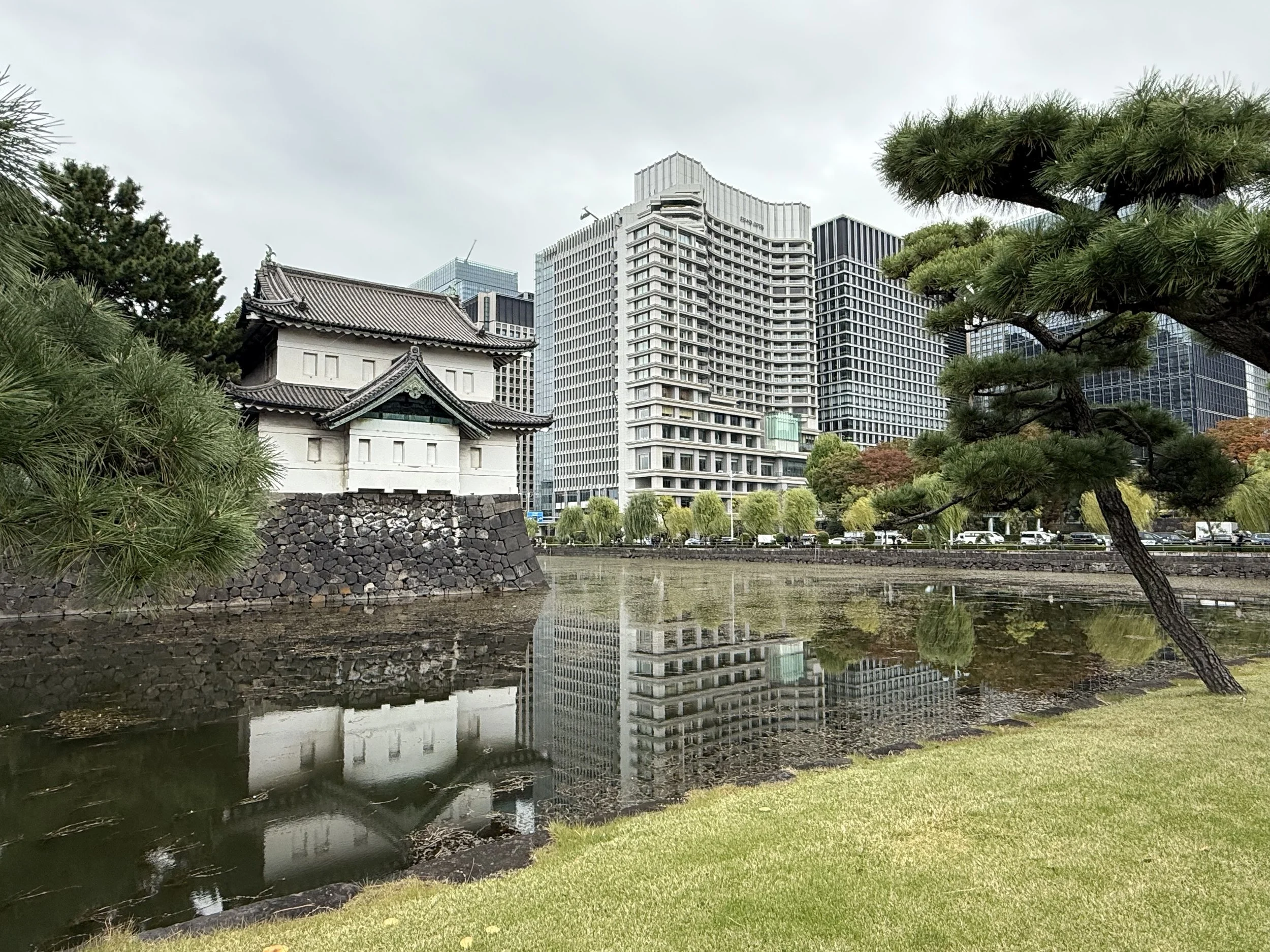
Kōkyo Imperial Palace grounds, Tokyo.
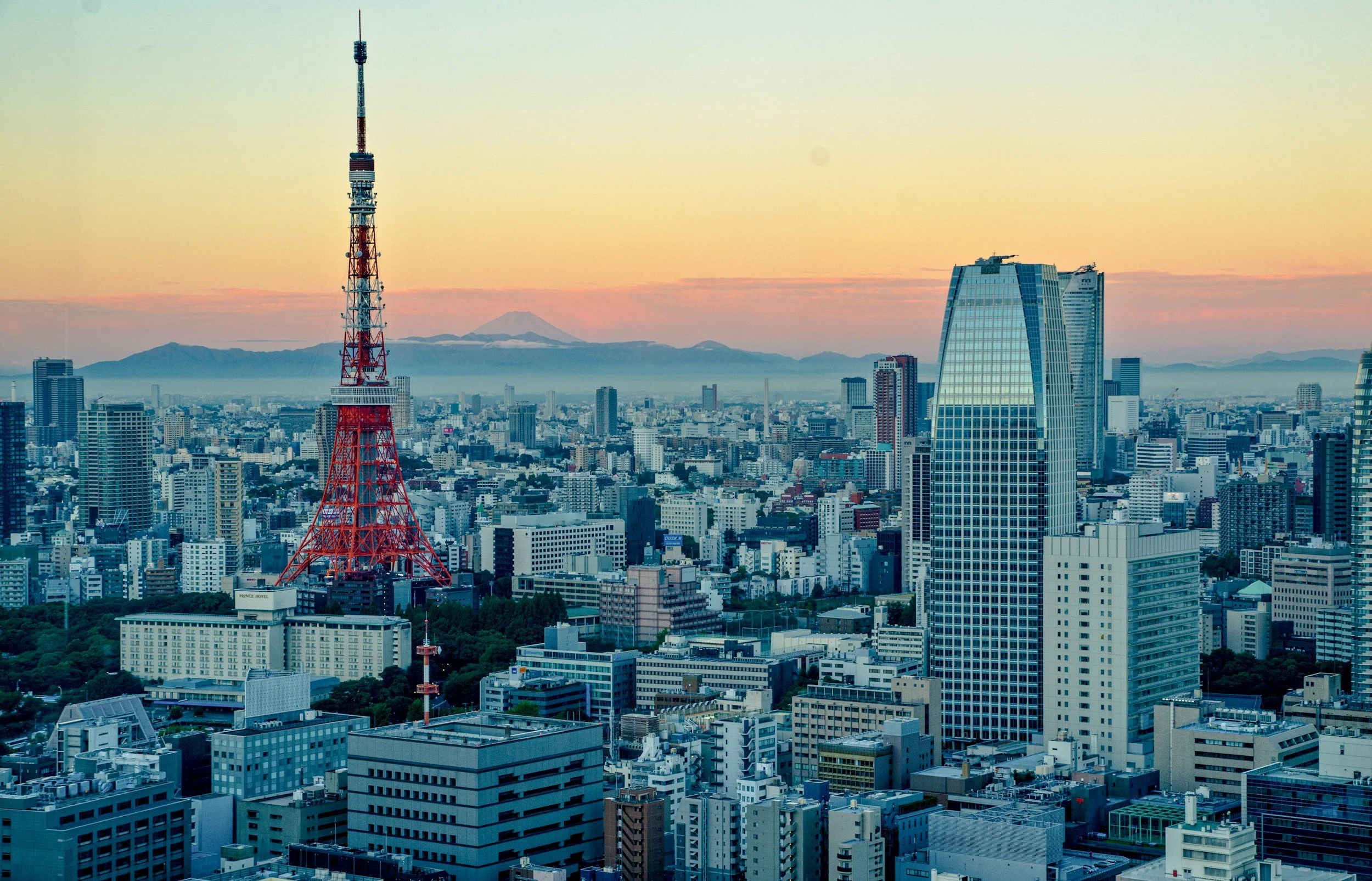
Pray for Japan
For the Japanese people to come to a saving knowledge of their Creator
For missionaries and churches in Japan to be spiritually healthy, unified, and bold in their witness
For national leadership to be strengthened in church planting efforts